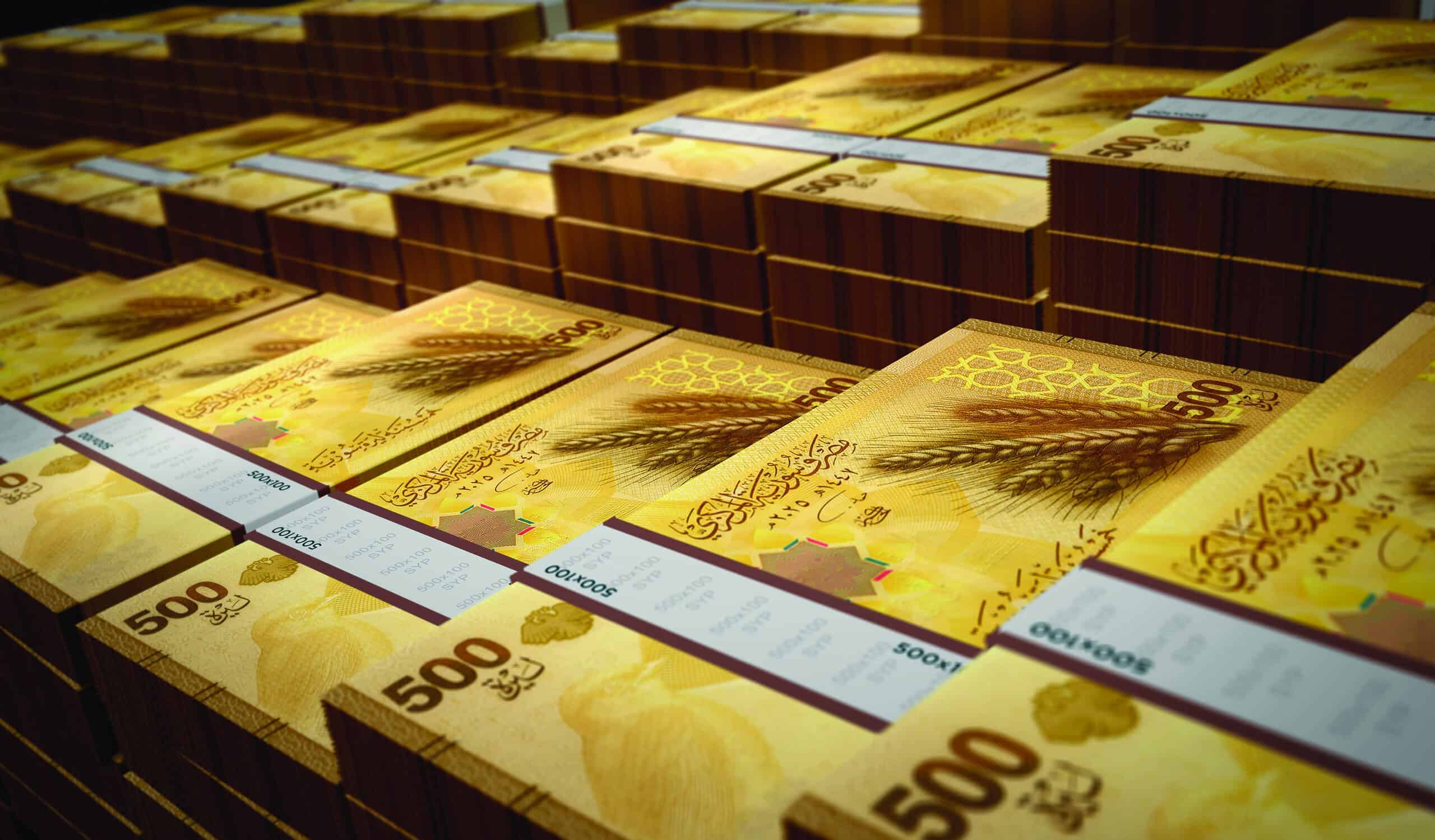
Syria is trying to join the world of international money again. A weak local banking sector is slowing down this return to global finance. The country faces huge hurdles as it attempts to rebuild trade links with other nations.
Why is Syria return to global finance so hard?
Local banks in Syria cannot easily connect to lenders in other countries. Years of conflict and damage broke basic systems that modern financial houses need. Because of these deep troubles, foreign lenders do not want to take the risk of working with them yet.
International rules require strong safety checks before any money can move across borders. Syrian institutions often do not have the tools or staff to meet these strict standards. This reality leaves the country cut off from the fastest money networks across the globe.
What the banking trouble means for everyday families
When the banking sector struggles, normal families feel the pain first. People cannot easily send money to their relatives from overseas. This causes direct trouble for basic needs like buying groceries, getting medicine, and paying for simple shelter.
Local shop owners also find it hard to buy goods from outside markets. They cannot send wire transfers to suppliers in other countries without huge delays and extra fees. As a result, everyday items become harder to find and much more expensive on store shelves.
- Foreign banks refuse to process payments quickly.
- Local companies struggle to import goods.
- Families pay high fees just to receive cash from abroad.
How the past conflict still harms the money flow
The long crisis inside the country created deep financial cracks that still exist today. The ongoing aftermath of the Syrian civil war leaves the economy with destroyed branches, lost records, and very little trust. Rebuilding this trust takes many years of quiet, steady work.
Foreign partners want to see clear proof that local lenders are safe and honest. Without updated rules, most foreign firms will simply look away and choose safer partners. The country remains stuck on the outside until these internal bank problems get fixed.
What steps must happen next for Syrian banks
Leaders must focus on fixing the domestic banking sector before the world opens its doors. They need modern computer systems, clear audit rules, and trained workers who understand current global laws. Without these basic tools, the return to global finance will remain stalled.
Observers will watch closely to see if local leaders make real changes to how these banks operate. Foreign companies will only return when they know their money is completely secure. Until that day comes, the flow of cash into the nation will stay very slow.
No comments